Showing posts with label exotic fruit. Show all posts

Thursday, April 23, 2026

Dates, Olives, and Barley: Ancient Staples With Modern Culinary Power (Includes Recipe Suggestions)

Did you enjoy my previous post?  Grapes, Figs, and Pomegranates: Ancient Fruits With Timeless Flavor (Includes Recipe Suggestions).  If so, you'll probably like this one too.

dates, olives, and barley
AI-art created using a free tool

INTRO:  Dates, olives, and barley are three of the most enduring foods of the ancient Near East—nutrient-dense, culturally significant, and deeply rooted in biblical history. When the Hebrew Bible describes the agricultural richness of the Promised Land, these foods appear repeatedly as symbols of sustenance, prosperity, and divine provision. Today, they remain essential ingredients in Mediterranean and Middle Eastern cuisine, celebrated for their flavor, versatility, and health benefits. Below, we explore each one through its religious symbolism, culinary history, and medicinal uses, and offer simple recipes to bring these ancient staples into your modern kitchen.

dates

Dates: Sweetness, Strength, and Sacred Symbolism

Biblical and Historical Significance

Dates were a cornerstone of ancient Israelite agriculture. The date palm—tamar in Hebrew—symbolized righteousness, beauty, and resilience. Jericho was famously called the “City of Palms,” and dates were so nutritionally dense that they served as a primary source of energy for travelers, soldiers, and laborers. Date honey (silan) was likely one of the “honeys” referenced in the phrase “a land flowing with milk and honey.”

Culinary Uses

Dates are nature’s candy: soft, caramel sweet, and endlessly versatile. They can be stuffed with cheese or nuts, blended into smoothies, chopped into salads, or cooked down into syrups. In Middle Eastern cuisine, dates enrich breads, stews, and festive desserts. Their natural sugars make them a popular sweetener in modern whole food cooking.

Traditional and Modern Medicinal Uses

Historically, dates were used to support digestion, boost energy, and aid recovery after illness. Today, they’re recognized for their fiber, potassium, magnesium, and antioxidants. Studies suggest dates may support labor preparation, stabilize blood sugar when paired with fats, and promote gut health.

Recipe Suggestion: Goat Cheese–Stuffed Dates With Almonds

  • Slice Medjool dates lengthwise and remove pits.

  • Fill with soft goat cheese.

  • Top with a roasted almond and drizzle with honey or silan (date syrup).


Olives: Peace, Provision, and Culinary Depth

Biblical and Historical Significance

Few foods are as symbolically rich as the olive. The dove returning to Noah with an olive leaf signaled peace and renewal. Olive oil was used for anointing kings and priests, fueling lamps, and cooking daily meals. Olive trees—long-lived and drought-resistant—became symbols of endurance and divine blessing.

Culinary Uses

Olives and olive oil are foundational to Mediterranean cuisine. Brined olives add briny depth to salads, tapenades, and roasted dishes. Extra virgin olive oil is prized for dressings, marinades, and finishing touches. In ancient Israel, olive oil was the primary cooking fat, used in breads, porridges, and offerings.

Traditional and Modern Medicinal Uses

Ancient cultures used olive oil for skin care, wound treatment, and digestive support. Modern research highlights its monounsaturated fats, polyphenols, and anti-inflammatory properties. Olive oil is central to the Mediterranean diet, associated with heart health, longevity, and reduced chronic disease risk.

Recipe Suggestion: Olive Tapenade With Herbs

  • Blend pitted olives, capers, garlic, lemon juice, and olive oil.

  • Add chopped parsley or thyme.

  • Serve with crusty bread or roasted vegetables.

olive recipes

Olives: More than 70 Delicious & Healthy Recipes

Barley: Humble Grain With Powerful History

Biblical and Historical Significance

Barley was one of the earliest domesticated grains and a staple of ancient Israelite life. It appears in biblical stories such as Ruth gleaning barley fields and the feeding of the five thousand with barley loaves. Barley was affordable, hearty, and central to both daily meals and ritual offerings.

Culinary Uses

Barley’s nutty flavor and chewy texture make it ideal for soups, pilafs, breads, and porridges. Ancient Israelites used it in flatbreads, beer brewing, and hearty stews. Today, barley remains a favorite in Mediterranean and Eastern European cooking, especially in grain bowls and slow-cooked dishes.

Traditional and Modern Medicinal Uses

Historically, barley water was used to soothe digestion and cool the body. Modern nutrition science recognizes barley for its beta-glucans, a soluble fiber linked to improved cholesterol, blood sugar regulation, and gut health. It’s also rich in vitamins, minerals, and plant compounds that support metabolic wellness.

Recipe Suggestion: Lemon Herb Barley Pilaf

  • Simmer pearl barley in broth until tender.

  • Toss with olive oil, lemon zest, parsley, and chopped scallions.

  • Add toasted pine nuts for crunch.

barley in art

Bringing Ancient Foods Into Modern Kitchens

Dates, olives, and barley are more than historical artifacts—they’re flavorful, nourishing ingredients that continue to enrich modern cooking. Whether you’re exploring biblical food traditions or simply expanding your pantry, these ancient staples offer depth, nutrition, and a tangible connection to the culinary world of the past.


REFERENCES:

The Bible. New Revised Standard Version, HarperOne, 1989.

Davidson, Alan. The Oxford Companion to Food. Oxford University Press, 2014.

Holland, Barbara. Fruits of the Bible: A Culinary and Cultural History. Jerusalem Press, 2017.

Katz, Solomon H., and William Woys Weaver. Encyclopedia of Food and Culture. Charles Scribner’s Sons, 2003.

Lansky, Ephraim P., and Robert A. Newman. “Date Palm: Ancient Food, Modern Medicine.” Journal of Ethnopharmacology, vol. 105, no. 1–2, 2006, pp. 1–24.

Magrini, Elena, et al. “Olive Oil in the Mediterranean Diet: A Historical and Nutritional Perspective.” Mediterranean Journal of Nutrition and Metabolism, vol. 7, no. 1, 2014, pp. 1–10.

Samuel, Delwen. “Brewing and Baking in Ancient Near Eastern Civilizations.” Near Eastern Archaeology, vol. 65, no. 1, 2002, pp. 8–21.

Stahl, Ann. Barley and the Origins of Agriculture in the Ancient Near East. Cambridge University Press, 2015.

♦♦

Similar or Related Links:

Ancient Foods Still Included in the Modern Diet

Welcome to the Wonderful World of Pesto | Feast

Spotlight on Four (4) Medicinal Flowers and Plants (to make tea)

What Are the 3 Obvious Reasons Why People Love Herbs and Spices?

Thyme: The Herb of Courage: Its Use for Cooking and Medicine


Monday, April 20, 2026

Grapes, Figs, and Pomegranates: Ancient Fruits With Timeless Flavor (Includes Recipe Suggestions)

INTRO:  Long before they appeared in charcuterie boards, artisanal jams, and antioxidant-packed juices, grapes, figs, and pomegranates were fruits of deep cultural meaning. In the Hebrew Bible, these three crops were among the produce brought back by the Israelite spies sent to scout the land of Canaan—a land described as “flowing with milk and honey.” Their presence signaled abundance, fertility, and the promise of a rich agricultural life. Yet beyond their spiritual symbolism, these fruits have long culinary histories and surprising medicinal traditions that still resonate today. Let’s explore each one through the lens of religion, food culture, and wellness.

exotic fruit

Grapes: The Fruit of Celebration and Fermentation

Grapes are perhaps the most iconic of the biblical fruits. In the Book of Numbers, the spies return carrying a massive cluster of grapes so large it had to be borne on a pole between two men. This vivid image cemented grapes as a symbol of prosperity. In Jewish tradition, wine made from grapes plays a central role in rituals such as Kiddush, sanctifying the Sabbath and holidays. Grapes also appear in Christian symbolism, representing joy, blessing, and the fruitfulness of spiritual life.

Historically, grapes were prized not only for eating fresh but for their ability to ferment. Wine was safer to drink than water in many ancient societies, and grape must (freshly pressed juice) was used as a sweetener long before sugarcane arrived in the region. Dried grapes—raisins—were portable, calorie-dense, and essential for travel and trade.

Culinarily, grapes remain wonderfully versatile. They can be roasted to intensify sweetness, frozen for smoothies, or used to make verjus, a tart juice from unripe grapes that chefs adore for dressings and sauces. Grape leaves, too, are edible and form the base of dolmas across the Mediterranean.

Medicinally, grapes have been used for centuries to support digestion and hydration. Modern research highlights their polyphenols—especially resveratrol in red grapes—which may support heart health and reduce inflammation. Grape seed extract is also valued for its antioxidant properties. Whether enjoyed fresh or fermented, grapes continue to embody abundance in both flavor and nourishment.

grapes

Recipe Suggestion: Roasted Grape & Goat Cheese Crostini

  • Toss seedless grapes with olive oil, salt, and thyme.

  • Roast at 400°F until blistered.

  • Spread goat cheese on toasted baguette slices and top with warm grapes and a drizzle of honey.


Figs: Sweetness, Symbolism, and Ancient Nourishment

Few fruits carry as much symbolic weight as the fig. In the Bible, the fig tree represents peace, security, and divine blessing—“every man under his vine and under his fig tree” became shorthand for a life of stability. Figs appear in stories of kings, prophets, and everyday people, and they were a staple food in ancient Israel. Their natural sweetness made them a valuable source of energy, and dried figs were essential for long journeys.

From a culinary perspective, figs are a dream ingredient. Fresh figs offer a honeyed, floral sweetness with a delicate texture, while dried figs concentrate those flavors into something almost caramel-like. They pair beautifully with cheese, nuts, cured meats, and grains. In Middle Eastern and Mediterranean cooking, figs appear in stews, breads, and pastries, and fig syrup (dibs al teen) is still used as a natural sweetener.

Figs also have a long medicinal history. Ancient healers used them as a gentle laxative, thanks to their fiber content. They were also applied topically; the Bible even references a poultice of figs used to treat illness. Today, figs are recognized for their high levels of dietary fiber, calcium, potassium, and antioxidants. They support digestive health, bone strength, and overall metabolic balance.

What makes figs especially fascinating is their botanical uniqueness. They’re not technically a fruit but an inverted flower, pollinated in a remarkable symbiosis with tiny fig wasps. This ancient relationship underscores just how deeply figs are woven into the natural and cultural history of the region.

figs

Recipe Suggestion: Fresh Figs With Honey, Pistachios & Yogurt

  • Halve fresh figs and place over thick Greek yogurt.

  • Drizzle with honey and sprinkle with crushed pistachios.

  • Add a pinch of cinnamon for warmth.


Pomegranates: Jewels of the Ancient World

If grapes symbolize abundance and figs symbolize peace, pomegranates symbolize life itself. In the Bible, they adorn the hems of priestly garments and appear in descriptions of the Promised Land’s bounty. Their many seeds made them a natural emblem of fertility and blessing. In Jewish tradition, the pomegranate is said to contain 613 seeds—one for each commandment—though the actual number varies. Still, the symbolism endures.

Culinarily, pomegranates have been treasured for millennia. Their tart, sweet arils brighten salads, grains, roasted meats, and desserts. Pomegranate molasses—a thick, tangy reduction—remains a cornerstone of Middle Eastern cooking, adding depth to stews, marinades, and dressings. Even the rind and peel were historically used for dyeing textiles.

In Praise of Exotic Fruits: 3 Reasons Why You Should Love Pomegranates

Medicinally, pomegranates have an impressive résumé. Ancient Persian and Mediterranean healers used them to treat digestive issues, inflammation, and infections. Modern research supports many of these uses: pomegranates are rich in punicalagins and anthocyanins, antioxidants linked to heart health, reduced inflammation, and improved blood flow. Pomegranate juice has been studied for its potential benefits to blood pressure and cholesterol levels.

Beyond nutrition, the pomegranate’s structure—hundreds of seeds encased in a protective shell—has made it a metaphor for resilience and inner richness. It’s no wonder this fruit has captivated cultures from antiquity to today’s wellness-focused kitchens.

Recipe Suggestion: Pomegranate Molasses Chicken

  • Marinate chicken thighs in pomegranate molasses, garlic, olive oil, and cumin.

  • Roast until caramelized.

  • Finish with fresh pomegranate arils and chopped parsley.

glitter-graphics.com

A Final Taste of the Promised Land

Grapes, figs, and pomegranates are more than ingredients; they’re storytellers. They connect modern cooks to ancient landscapes, rituals, and traditions. They remind us that food has always been about more than sustenance—it’s about meaning, memory, and the shared human experience of seeking sweetness and abundance. Whether you enjoy them fresh, dried, juiced, or cooked, these fruits bring a touch of the ancient world into your kitchen, offering nourishment for both body and spirit.

References/Sources:

The Bible. New Revised Standard Version, HarperOne, 1989.
(Use whichever translation you prefer; this is a standard scholarly edition.)

Bar Yosef, Ofer, and Avi Gopher. “The Fruit Trees of the Land of Israel in Ancient Times.” Israel Exploration Journal, vol. 40, no. 1, 1990, pp. 55–66.

Davidson, Alan. The Oxford Companion to Food. Oxford University Press, 2014.

Holland, Barbara. Fruits of the Bible: A Culinary and Cultural History. Jerusalem Press, 2017.

Katz, Solomon H., and William Woys Weaver. Encyclopedia of Food and Culture. Charles Scribner’s Sons, 2003.

Lansky, Ephraim P., and Robert A. Newman. “Punica granatum (Pomegranate) and Its Potential for Prevention and Treatment of Inflammation and Cancer.” Journal of Ethnopharmacology, vol. 109, no. 2, 2007, pp. 177–206.

Liu, Rui Hai, et al. “Antioxidant and Anti-Inflammatory Properties of Grapes and Wine.” Journal of Agricultural and Food Chemistry, vol. 52, no. 12, 2004, pp. 4981–89.

Morton, Julia F. Figs: Ancient Fruit, Modern Medicine. University of Florida Press, 1987.

Rubin, Jonathan. “Agriculture and Daily Life in Ancient Israel.” Biblical Archaeology Review, vol. 42, no. 3, 2016, pp. 24–33.

Stover, Ed, and Jennifer Mercure. “The Pomegranate: A New Look at the Fruit of Paradise.” HortScience, vol. 42, no. 5, 2007, pp. 1088–92.


Sunday, May 4, 2025

Fruits and Veggies : Exotic Fruits Are Wonderful Natural Delights

Tropical fruit must have been abundant in the Garden of Eden. Don't you think? At least, that's how I imagine it anyway. Do you like exotic fruit? My first visit to The Bahamas opened up a whole new world for me. There were so many delicious fruits of paradise that I had never heard of or tasted.

That was more than 30 years ago. These days, the wonderful thing about grocery shopping in America is that you can find foods from almost anywhere in the world. These foods were not always available and so plentiful. It's not my imagination. Even Chef Jacques Pepin mentioned during one of his TV episodes that when he first arrived in the United States to begin his career as a chef, there were many ingredients that he could not readily find at the local grocery store. You had to go to a special market or a gourmet shop. Not so, these days. Thanks to the Internet, it's easy to research and learn more about tropical fruit or “exotic fruit” or “super fruit” or “wonder fruit”, and why they are so good for you. Uh huh. Right. As if people need to twist your arm to get you to eat them. :)

Check these out!


- Acerola, also known as the Barbados cherry, is native to the West Indies, and also to Southern Mexico, and Southern and Central America. They claim this fruit has numerous health benefits, but healthy or not, the taste of this tropical fruit is irresistible.


- Cherimoya tastes like bubblegum. People have even given this fruit nicknames like “ice cream fruit” or “custard apple”, so-called because it has a creamy, sherbet-like texture. But beware of the seeds, as they can be poisonous.

- Dead man’s fingers originated from China. They really do look like fingers and their color is bluish-black. The taste is similar to watermelon.

- Kiwano or the horned melon has many names. It is native to Africa and is called African cucumber. But it is also known as English tomato. (???) On the outside it is yellow and orange, but the flesh inside is lime green. It's been part of African cuisine since ancient times.


- Mangosteen grows in Southeast Asia and is considered a “wonder fruit”. One might think because of the name that it is similar to a mango, but actually it is more like a peach. Research indicates that the mangosteen contains more xanthones than any other fruit. They call it the "X-Factor".


These are just a sampling of fruits. The intent is to whet your appetite and peak your curiosity. There is also dragon fruit, starfruit, Buddha’s hand (citron), cloudberries, durian, moringa, abiu, and more! 

***  Related articles


* * *

Image credit: Kiwano fruit (Public Domain)
© Photographer: Andreas Fischer | Agency: Dreamstime.com

Content previously published at Literacy Base on Aug 3, 2016.

Tuesday, April 29, 2025

Exotic Fruit: Do You Heart Pomegranates?

Do you love pomegranates? I know I do! I would even like to start a movement with the goal of adding pomegranates to the traditional American Thanksgiving cornucopia


Pomegranates are so exotic and enjoy an exotic history!   Indeed, it is the food of myth and legends.

They are the wonder food of ancient civilizations like Persia and Israel.  

In fact, in ancient Greece, pomegranates were considered an aphrodisiac.  

A respected modern publication - The Globe and Mail, “Canada’s #1 national newspaper” claims that pomegranates are a “superfood” that can be proven.


Shared the link via my post stream on Google Plus stream, but in case you didn't see it there, view it here. If you are on Pinterest, please visit my pinboard dedicated to POMEGRANATES? Started the board a couple of years ago, and to date, it has 100 pins: recipes (food and drinks), beauty and healthcare products, etc. 
**

Related articles

Blueberry Pomegranate

Green Pomegranate - Award Winning


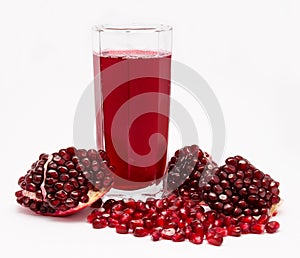
Pomegranate juice in glass and pomegranates  on white
© Photographer: Svetamart | Agency: Dreamstime.com

Saturday, April 26, 2025

Exotic Fruit: Do You Heart Persimmons?

Fuyu Persimmon Diospyros kaki 'Fuyu'
~ Other Common Name(s): Fuyu Kaki


Fuyu persimmon is a fruit that ripens in the fall season and should be included in the American cornucopia or “horn of plenty”. It is sweet and has a beautiful color! It makes for a beautiful ornamental plant. It attracts birds, so you might want to put a cage around it.

There are two other varieties of the persimmon that I know of: Cinnamon Persimmons (also called Percinnamons); and Hachiya Persimmons. This fruits is native to China and Japan.  But there is also an American persimmon.

persimmons
  • According to folklore, if you crack open a persimmon seed from a ripe fruit and the shape inside (called a cotyledon) looks like a fork, winter will be mild; if you see a spoon, there will be a lot of snow, and if there is a knife, winter will be bitingly cold and “cut like a knife.” (Source: Farmer's Almanac)


You can make cookies, pies, breads, and jam with it. Slice or dice tme like apples and you can put them in salads, if you like fruit in your salad. Instead of apples with your roasted pork, substitute persimmons. You can dehydrate them and eat them like chips!
  • FUN FOOD FACT: You can freeze persimmons whole. Then when ready to eat, take them out of the freezer, let stand for 20 minutes to soften up, cut off the the top, take a spoon and DIVE IN!
Here are some wonderful recipes collected by Yummy Mummy Kitchen and Martha Stewart.

20 Persimmon Recipes  

12 Persimmon Recipes Everyone Should Make This Fall


Sunday, April 20, 2025

Maria Nasir Shares Her Recipe for a Refreshing Summer Drink Made With Mango and Chia Seeds

Maria Nasir Shares Her Recipe for a Refreshing Summer Drink Made With Mango and Chia Seeds.  The mango fruit is surely a delight to anybody's taste buds.  If you have never tasted a mango, you are missing out, and there is no reason why you should.  If you can not find them at your local grocery store, they can be purchased online.  (See below.)


Food Gifts : Mangos ~ Available at The Fruit Company
Grown in tropical regions, we bring in the most delicious mangos available. Hand-selected by our team, we only ship mangoes that have their well-known distinctive sweet taste and are ready to enjoy. Send a mango gift box rich in vitamins, minerals, and antioxidants, and so delicious.

Saturday, June 22, 2024

Foodie Nuggets: Exotic Fruit: CUCAMELON

A cucamelon is known by many names, such as, Mexican sour gherkin, Mexican miniature watermelon, Mexican sour cucumber, mouse melon, or pepquino.  The taste is described as a cucumber with a touch of sour lime mixed in. Most people use it in salads, pickled, or used in salsa. They are usually eaten raw, but you can cook them lightly and add them to a stir-fry. They can be refrigerated (will last up to 1 month) and frozen (will last up to 3 months).


Image credit:  Amazon.com

Links below supply some additional information and a few recipes you may want to try.


Wednesday, December 15, 2021

Desserts: "Yolka" with Mango and Passion Fruit Confiture (Guest Post)

Exotic fruits like mango and passion fruit can turn a dessert in a gourmet delight.  You are going to love this recipe.

dessert

  "Yolka" with mango and passionfruit confiture

Ingredients: ⠀

⠀ 📌Merengue:
Egg white 150 g
Granulated sugar 300 g
Lemon juice 1 tsp

⠀ 📌Cream mascarpone:
Mascarpone 150 g
Cream 33% fat 100 g
Powdered sugar 1 tbsp (optional)
Vanilla extract 1 tsp

⠀⠀ 📌Filling:
Mango jam - passion fruit 150 g

Preparation:

STEP 1. Meringue:
Heat the protein with sugar in a water bath, stirring constantly, until the sugar crystals dissolve. Remove the protein mass from heat, beat with a mixer until stable peaks. At the end of whipping, add lemon juice. On pastry parchment, draw 3 circles of the desired diameter, turn over and place on a baking sheet. Spread the protein mass with a silicone spatula (or spoon) within the circles drawn, making a small indentation in the center of the circle. Place the baking sheet in an oven preheated to 150 ° C and immediately reduce the temperature to 100 ° C. Bake for ~ 1.5 hours. The exact baking time and temperature range depend on the power of your oven. The meringue should not brown, but should have a hard crust. Cool the finished meringue cakes. ⠀

STEP 2. Cream mascarpone:
Using a mixer, beat the chilled cream with mascarpone and vanilla extract until stable peaks (add powdered sugar if desired). ⠀

STEP 3. Assembly:
Put the cream on the meringue cake, then add a layer of confiture. Repeat with the following cakes. Place the finished cake in the refrigerator for ~ 1 hour.

❗️ Notes: To prevent the pastry parchment from slipping on the baking sheet, grease the edges with whipped protein mass and glue it to the nasty. Bon Appetit!

*

Saturday, May 15, 2021

Foodie Nuggets: WARNING: Delicacies Can Be Dangerous!

Many people are blessed to travel the world and get introduced to new foods they have never tasted or even heard of. Here is some advice you should never ignore. In some countries, certain foods may be considered “delicacies” but … “Prepare them wrong and you can die!” 

Some foods don't even require preparation because they are eaten raw. My first time seeing this fruit was when I visited The Bahamas to meet my husband's parents. I tasted it. It was delicious. So it was a shock to see that star fruit was on this list of "dangerous foods". Who knew?


♦♦  Superfoods Cookbook: Book One: 75+ Recipes of Quick & Easy Cooking, Low Fat Cooking, Gluten-Free Cooking, Wheat Free Cooking, Low Cholesterol Cooking, ... - weight loss plan for women) (Volume 29)


Source: Virily.com

Monday, January 18, 2021

Mango Plus Rose Water Equal Refreshing Earthly Delight

Almost everyone loves roses. But these flowers have a special meaning to me because of my late mother's rose bush which was the centerpiece of the front yard of my childhood home. Every time I see a rose, it's impossible to disassociate them from this childhood memory. 


My Facebook friend is knowledgeable about holistic health and alternative remedies and she published a wonderful article about rose water which she refers to a Grandma’s Secret Weapon. She explains the benefits of using it for skin care and suggests it be a part of aromatherapy. That sounds fabulous. But did you also know that you can drink rose water?


Following me so far? 

You're probably thinking: 'Hurry and get to the part about the mangos!'


Mangos (or Mangoes)?  Another childhood memory is being able to go out in my backyard or my neighbor's backyard and pick a mango from the tree to enjoy. To this day, it's always a thrill find any kind recipe that includes mango as an ingredient. Sharing the recipe gives me an even bigger thrill.


Here is a link to a quick and easy recipe that is sure to delight you found in the Cooking Section of the New York Times.


In case you've never seen or heard of a “lassi”, here is a clear definition found in Wikipedia:

“Lassi (pronounced [ləs-siː]) (la-SEE) is a popular traditional yogurt-based drink from the Indian Subcontinent and originates from the Punjab. ... a blend of yogurt, water, spices and sometimes fruit.”

The definition does not specifically mention “rose water”. But it does say “water” and that's good enough!  :)

Rose Flower Water by Malandel (French) 16 oz


The malandel is a product of France.
Rose flower water is produced by water distillation from rose flowers.


  • Not only is it great in a smoothie but can be added to a creamy tapioca or rice pudding and marries well with most ricotta cheese desserts and Italian sponge cakes, cookies and biscuits.


  • Shop TyentUSA.comSprinkle a few drops into ice water for an amazing transformation.


  • In the Middle East, it is used to flavor baklava (or filo desserts) and sherbets, and Turkish delight candies.


Rose Flower Water by Malandel (French) 16 oz - $15.99
Add a splash of rosewater to a creamy tapioca or rice pudding and sprinkle with chopped pistachios to make a simple dessert elegant. Rose flower water also marries well with most ricotta cheese desserts and Italian sponge cakes, cookies and biscuits. The next time you dollop creme friche over your dessert, add a teaspoon of rose flower water beforehand. Sprinkle a few drops into ice water for an amazing transformation. Add some saffron threads and a couple of drops of rose water. A fantastic combination! It can also be used to flavor baklava and other filo desserts. Used widely in the Middle East especially to flavor baklava and sherbets as well as Turkish delight candies. Rose flower water is produced by water distillation from rose flowers. The malandel is a product of france.


♦ Blog Sponsors